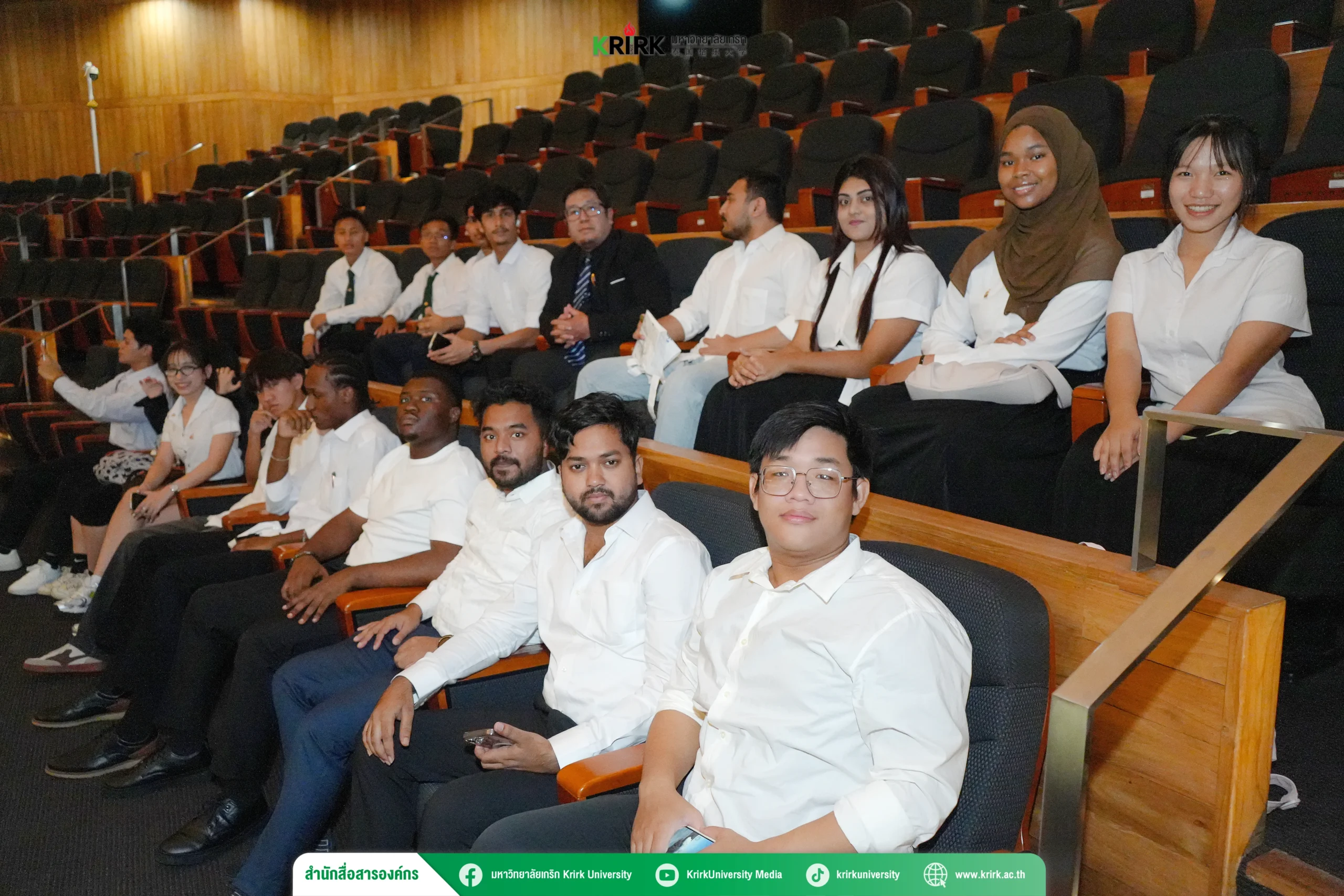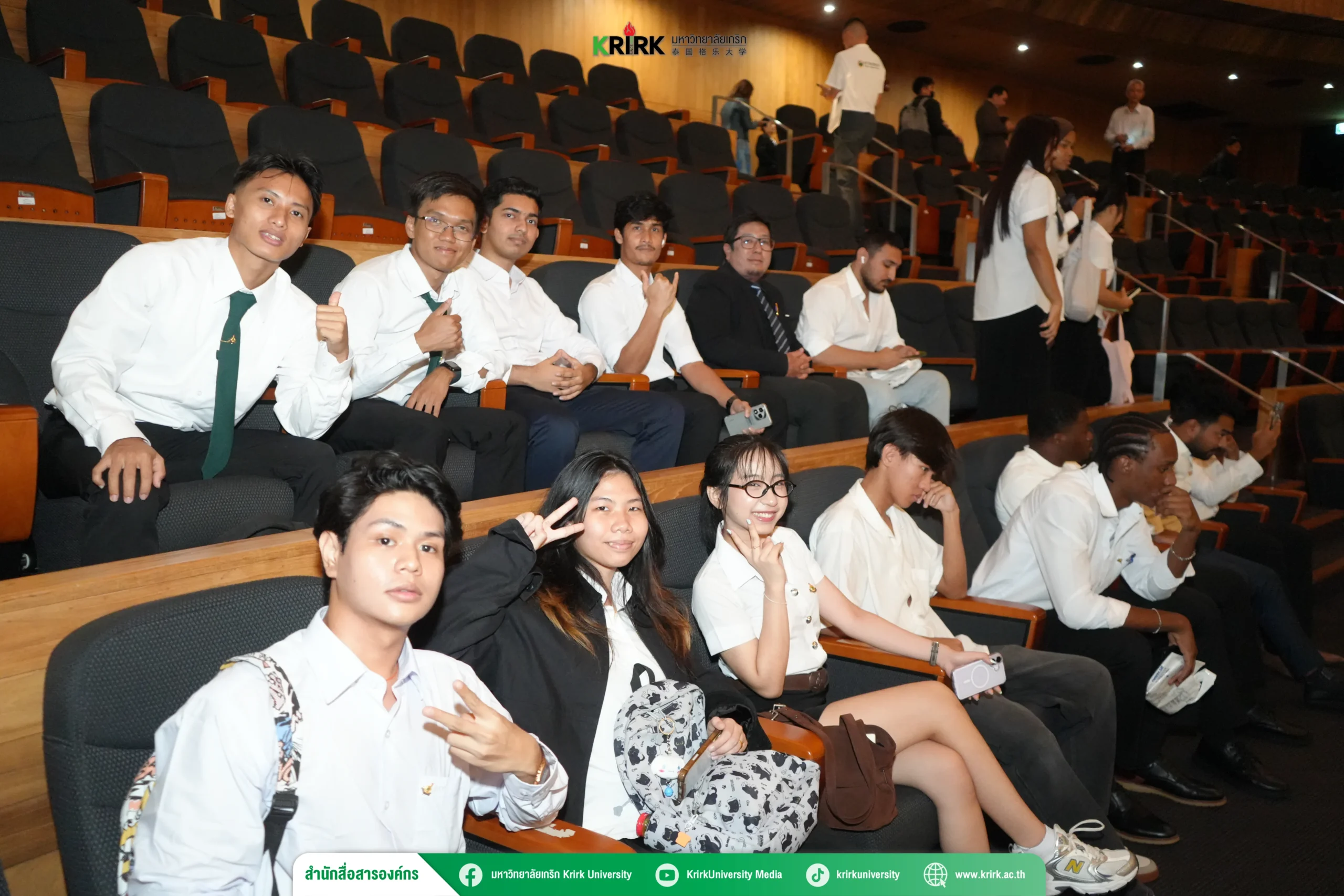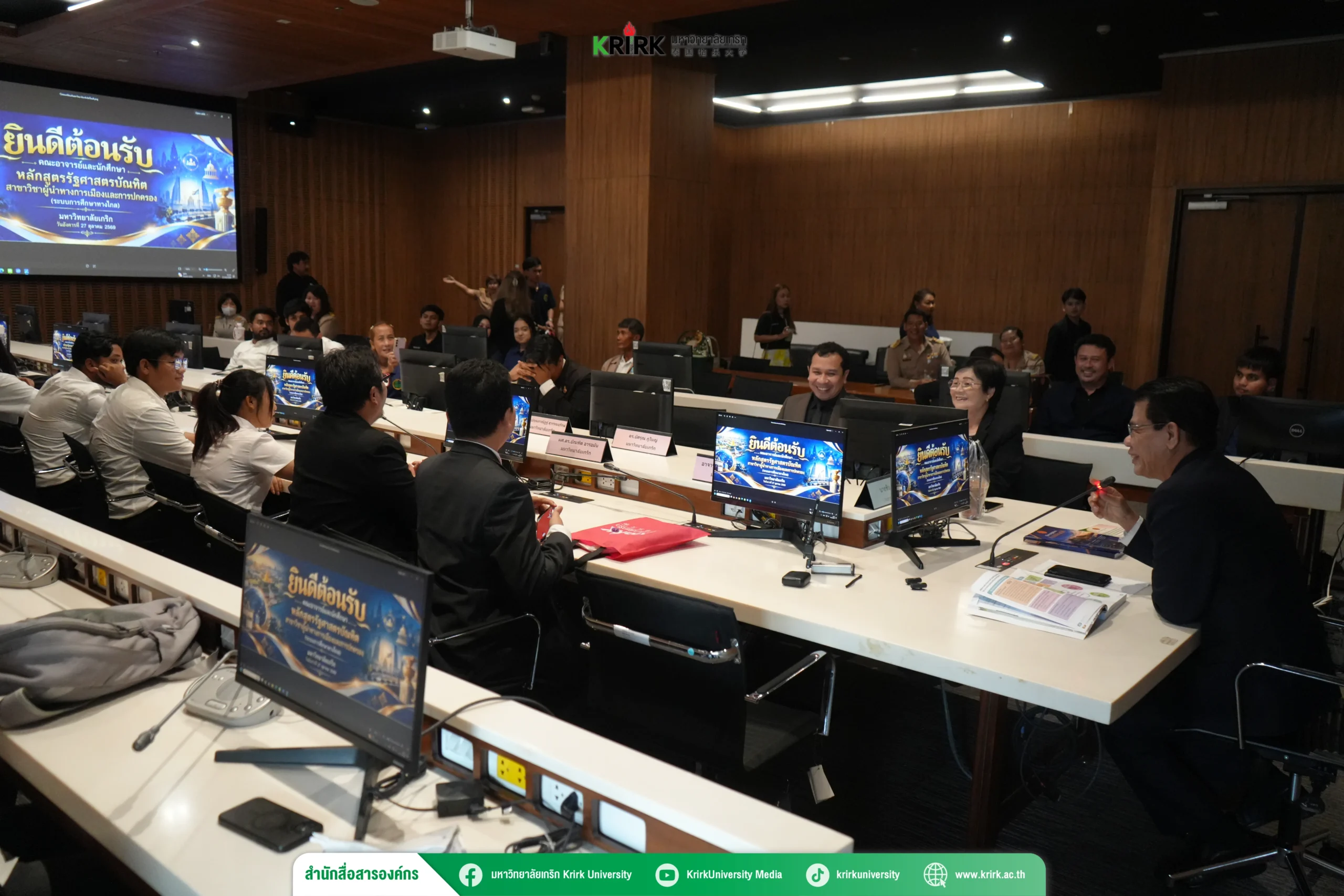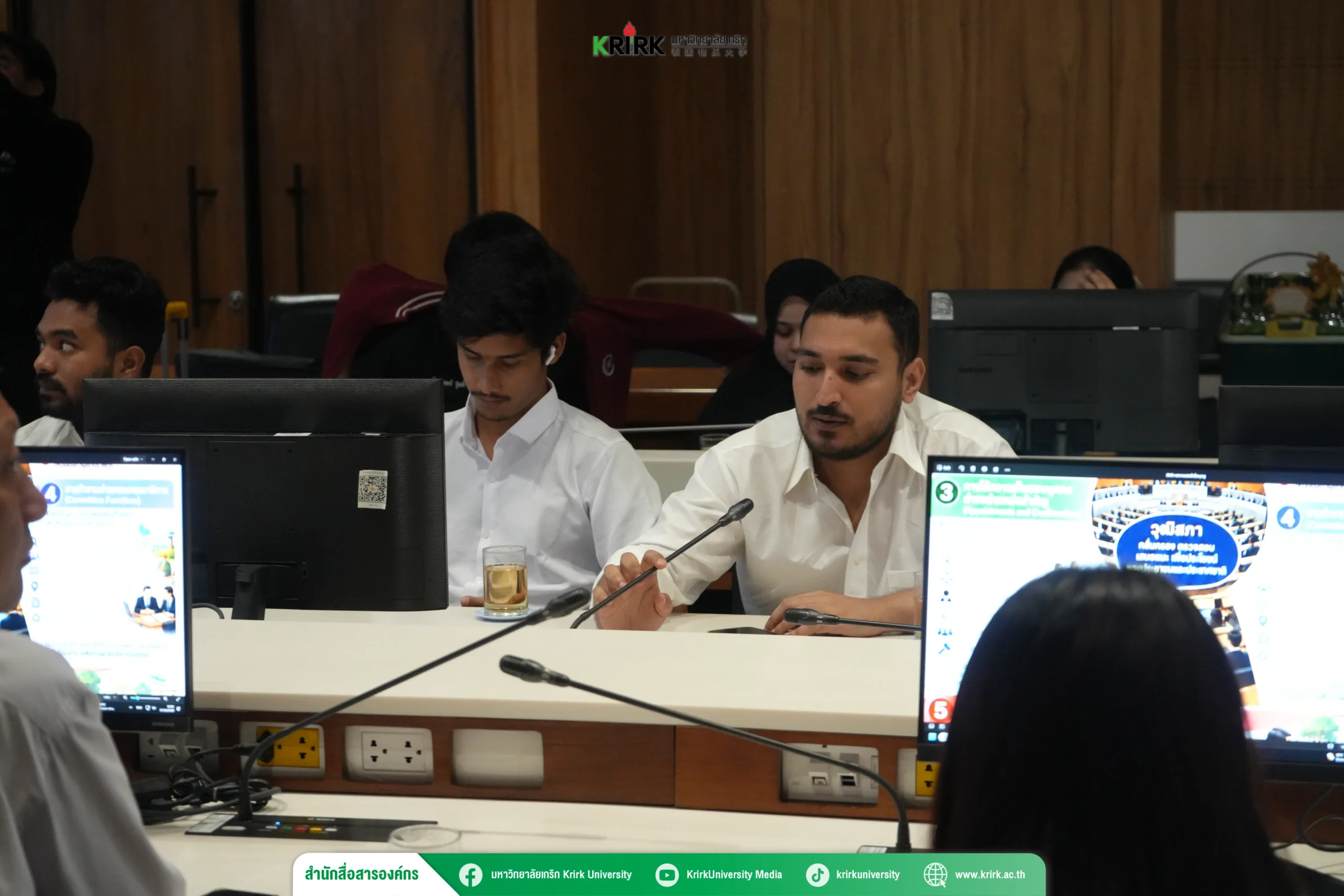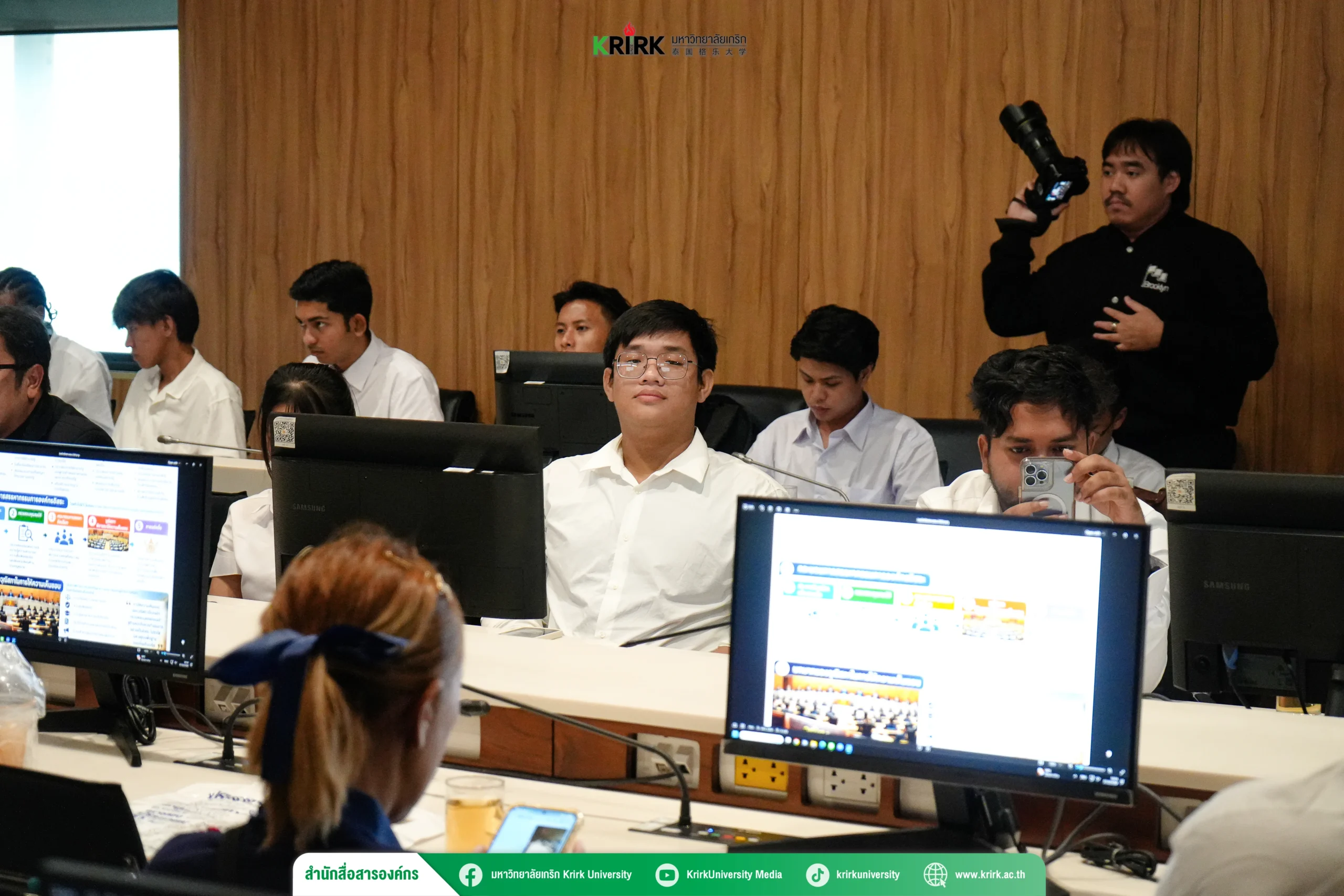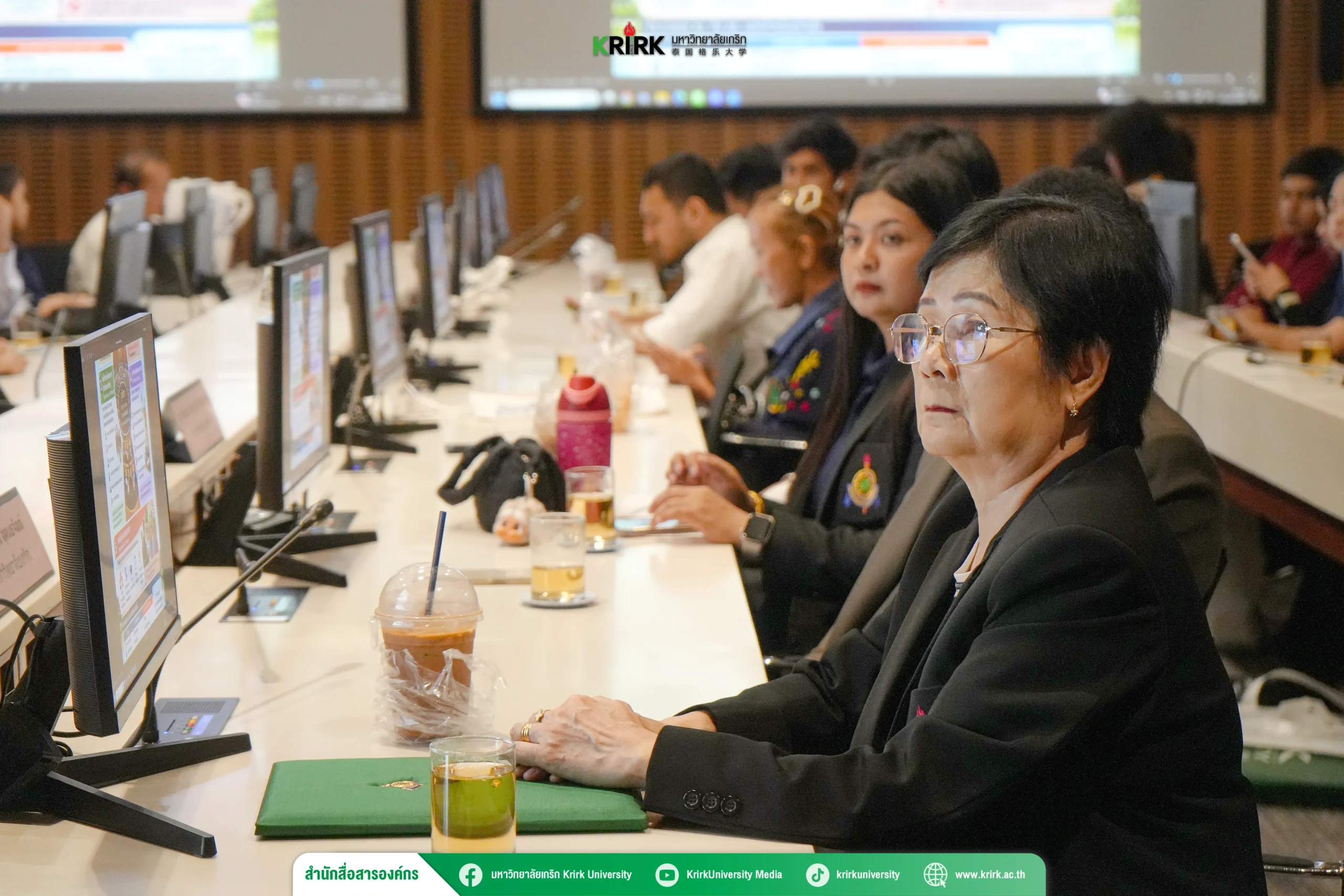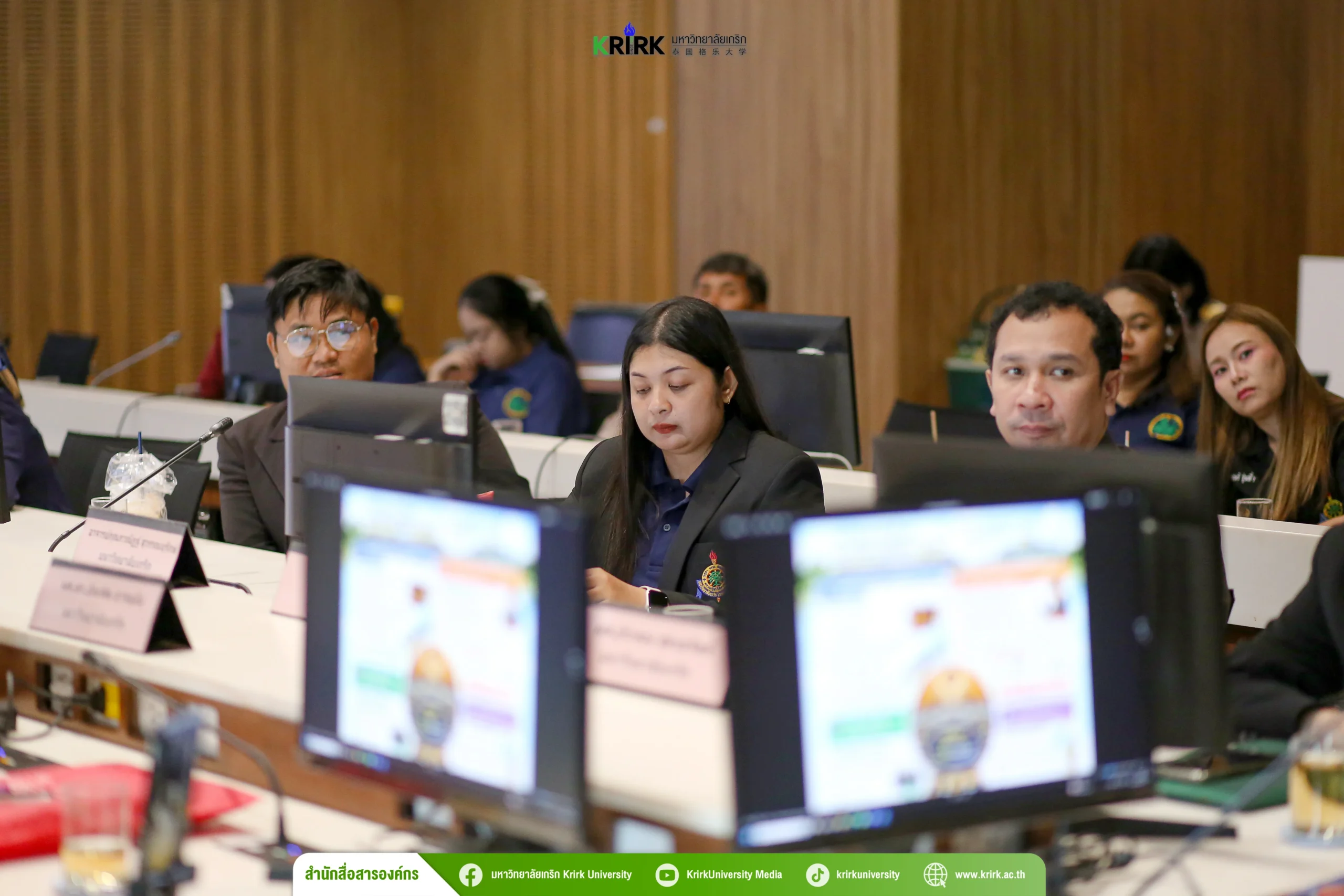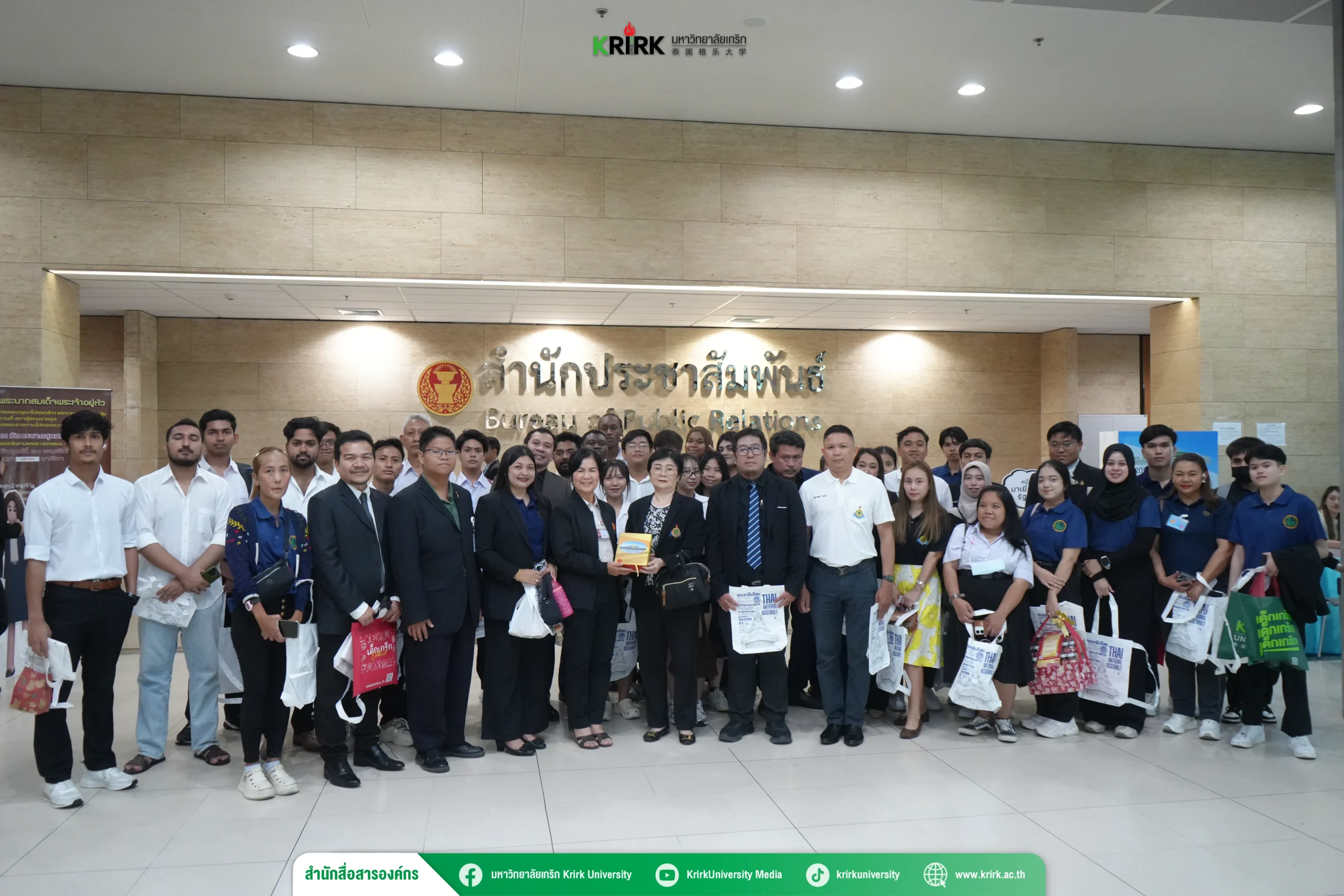
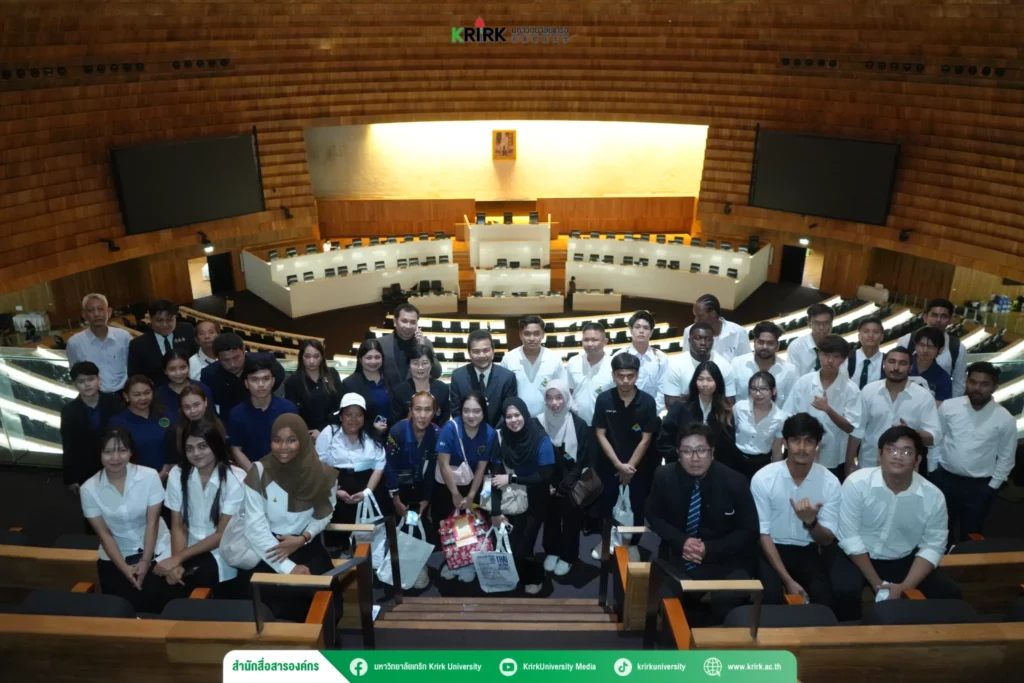
On October 27, 2026, the Bachelor of Political Science Program in Political Leadership and Governance organized the “Political Leadership Development Project: Learning about Parliamentary Processes and Democratic Practices.” As a pilot initiative, the program introduced an off-campus classroom at the Parliament of Thailand, allowing students to gain first-hand experience at the nation’s legislative center.
The delegation was led by Assistant Professor Prakong Sukonchit, Associate Dean for Administration, Faculty of Liberal Arts; Assistant Professor Dr. Bandit Aromun, Director of the Master of Political Science Program; Dr. Nasrun Kuyai, Director of the Office of Special Education; Mr. Muhammad Raksaithong, Head of the Political Leadership and Governance Program; and Mr. Kunphanat Suwannarak, Project Chair. Students from the Political Leadership and Governance Program, together with international students from the British International College, also participated, bringing the total number of attendees to more than 50.
A distinctive feature of the project was its effort to move beyond traditional classroom learning and cross cultural boundaries by bringing together students with different perspectives and nationalities to learn collaboratively. This approach was designed to foster an environment for exchanging ideas and learning about democratic practices from diverse perspectives, laying the foundation for constructive political leadership that embraces differences and integrates ideas to address challenges at the international level.
The highlight of the program was a special lecture entitled “The Role of Legislative Institutions and Political Leadership in National Development,” delivered by Mr. Chib Chitniyom, a Member of the Senate. The lecture explored the operational mechanisms of Parliament and the principles of good governance. It also emphasized that effective political leaders should uphold ethical values, demonstrate responsibility toward the public, and possess a vision for advancing policies that sustainably improve people’s quality of life.
In addition to the academic activities, participants gained practical insights through a visit to the Parliament Museum, where they learned about the history and foundations of Thailand’s constitutional democracy under a constitutional monarchy. They also visited the Suriyan Chamber, the meeting hall of the House of Representatives and an important venue for the country’s legislative process. This first-hand experience helped inspire the younger generation and strengthen their sense of civic responsibility.
The Political Leadership Development Project was therefore more than an educational field trip. It was a learning process designed to cultivate knowledge of political science, the rule of law, and democratic values. The initiative marked an important step for the program in preparing Thai and international youth to become constructive political leaders who can contribute to guiding global society toward a better future.